

Discover the Enchanting Pinkerbelle Rose: Your Guide to Growing a Disease-Resistant Beauty
Discover the Enchanting Pinkerbelle Rose: Your Guide to Growing a Disease-Resistant Beauty
In the vast world of roses, where elegance meets a delightful symphony of colors and fragrances, the Pinkerbelle Rose stands out as a true gem. For gardeners who dream of vibrant, fragrant blooms without the constant battle against common rose ailments, the Pinkerbelle Rose offers a compelling solution. Hailing from the renowned rose gardens of France and introduced in 2019, this exquisite variety has quickly captivated enthusiasts with its unique coloration, spicy perfume, and robust health. If you're looking to elevate your garden with a show-stopping cut rose that combines breathtaking beauty with remarkable resilience, then the Pinkerbelle is a name you simply must know.
Pinkerbelle Rose: An Overview of Unmatched Beauty and Benefits
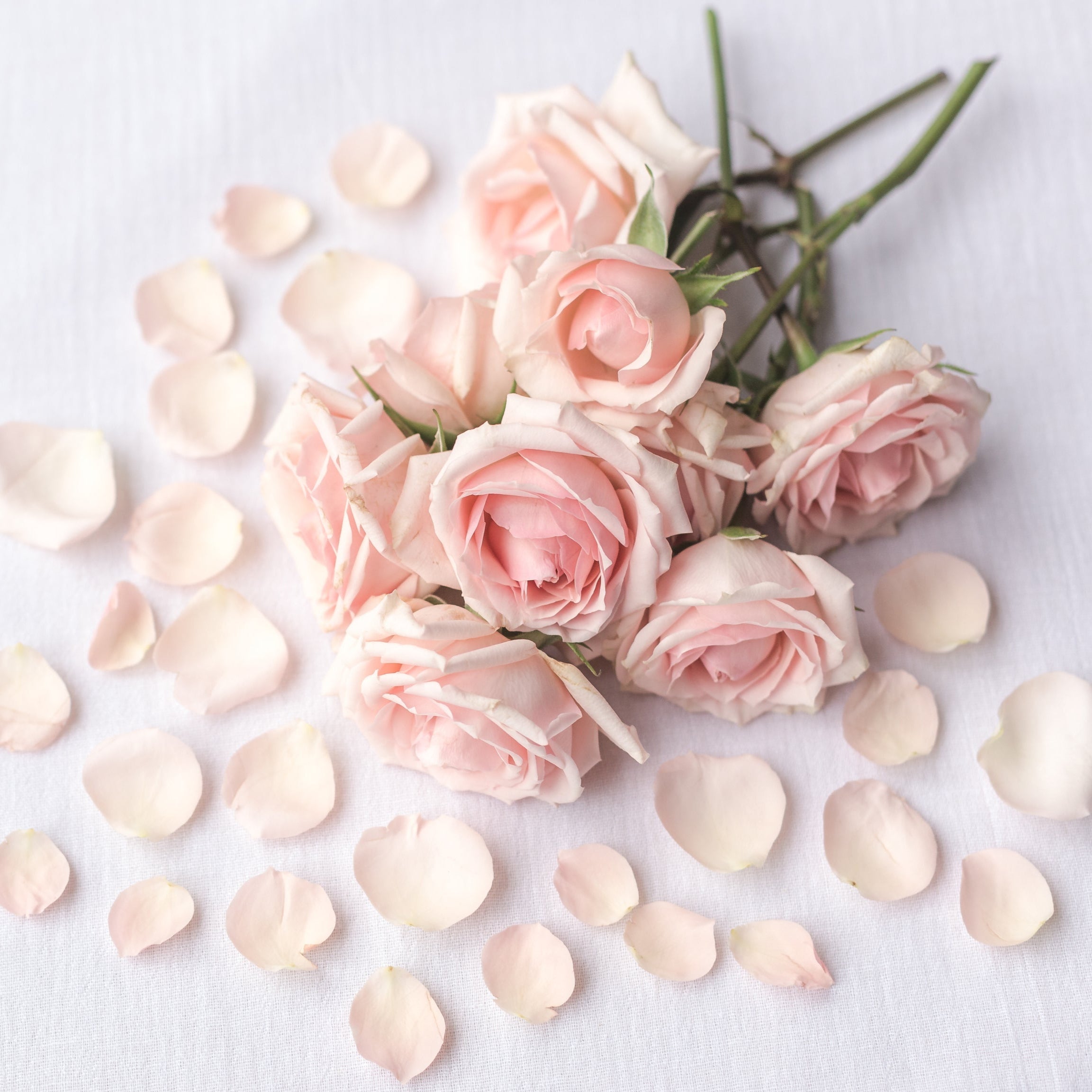
The Pinkerbelle Rose isn't just another pink rose; it's a masterpiece of horticultural breeding, designed to deliver a premium experience in both the garden and the vase. Its allure begins with its distinct color palette: a captivating blend of pink hues, accentuated by brighter petal edges that create a stunning visual contrast. Finer striping and lighter speckling add layers of complexity, ensuring each bloom is a unique work of art. These large, fully-formed flowers, typically 10-12 cm in diameter, demand attention.
Beyond its visual appeal, the Pinkerbelle Rose delights the senses with its pleasantly spicy fragrance. This isn't a subtle whisper of scent, but a noticeable aroma that can transform a garden corner or an indoor arrangement into a truly aromatic experience. As a 'Cut Rose' type, it's specifically bred for its exceptional vase life and sturdy stems, making it an ideal choice for floral arrangements and bouquets that last.
Key Benefits of the Pinkerbelle Rose:
- Stunning, Multi-Toned Pink Blooms: Its unique coloration with brighter edges, striping, and speckling ensures a captivating display.
- Pleasantly Spicy Fragrance: A distinct and enjoyable aroma that elevates any space.
- Exceptional Disease Resistance: Outstanding natural resistance, particularly to black spot, a common bane for rose growers.
- Vigorous Growth Habit: A strong, healthy plant that quickly establishes and reaches an impressive height of up to 150 cm (approximately 5 feet).
- Ideal Cut Rose: Bred for long-lasting blooms on strong stems, perfect for floral arrangements.
- Mature Plant Advantage: Often sold as a 2-year-old live plant with strong roots, offering a head start in your garden.
Detailed Growing and Care Guide for Your Pinkerbelle Rose
Cultivating the Pinkerbelle Rose is a rewarding experience, especially given its inherent vigor and disease resistance. While robust, providing optimal conditions will ensure your rose thrives and produces an abundance of its magnificent blooms.
1. Location and Sunlight: The Foundation of Growth
Like most roses, Pinkerbelle demands ample sunlight. Choose a spot in your garden that receives at least 6-8 hours of direct sunlight per day. Morning sun is particularly beneficial as it helps to dry dew from the leaves, further reducing the risk of fungal diseases, even for a resistant variety like Pinkerbelle. Good air circulation is also crucial, so avoid planting in overly crowded areas.
2. Soil Preparation: Feeding Your Beauty
Pinkerbelle Roses thrive in rich, well-draining soil with a slightly acidic pH between 6.0 and 6.5. Before planting, amend your soil generously with organic matter such as compost, well-rotted manure, or peat moss. This improves soil structure, drainage, and fertility, providing a nutrient-rich environment for your rose's strong roots. If you have heavy clay soil, adding gypsum can also help improve drainage.
3. Planting Your 2-Year-Old Pinkerbelle Rose
If you've received a 2-year-old live plant with strong roots, you're already off to a great start. Dig a hole that is twice as wide as the root ball and just as deep. Carefully remove the rose from its container, gently loosening any circling roots. Place the plant in the hole so that the bud union (the knobby part where the rose was grafted) is at or slightly above ground level in warmer climates, or 2-3 inches below ground in colder regions (Zone 6 and below). Backfill with your amended soil, gently firming it around the roots to remove air pockets. Water thoroughly immediately after planting.
4. Watering: Consistent Moisture is Key
Roses are thirsty plants, especially during their active growing and blooming periods. Water your Pinkerbelle deeply and regularly, aiming for about 1 inch of water per week, either from rainfall or irrigation. In hot, dry weather, or if your soil drains very quickly, you may need to water more frequently. Water at the base of the plant to avoid wetting the foliage, which can encourage fungal issues, even with Pinkerbelle's resistance. Drip irrigation or soaker hoses are ideal.
5. Fertilizing: Nourishing Blooms
To support its vigorous growth and prolific flowering, Pinkerbelle Rose benefits from regular fertilization. Begin feeding in early spring when new growth emerges and continue every 4-6 weeks throughout the growing season, usually until about 6-8 weeks before your first anticipated frost. Use a balanced granular rose fertilizer or a liquid feed, following the product's instructions. An organic approach using compost tea or alfalfa meal can also provide excellent results.
6. Pruning: Shaping for Health and Blooms
Pruning is essential for maintaining the health, shape, and flowering potential of your Pinkerbelle Rose.
- Spring Pruning: This is the most important prune. Remove any dead, damaged, or diseased canes. Open up the center of the plant for good air circulation by removing inward-growing branches. Cut back remaining healthy canes by about one-third, shaping the plant for aesthetic appeal and strong growth.
- Deadheading: Throughout the blooming season, deadhead spent flowers by cutting the stem just above the first set of five leaflets. This encourages the plant to produce more blooms instead of diverting energy into seed production.
- Light Summer Pruning: Remove any weak or crossing branches as needed to maintain shape and air circulation.
7. Pest and Disease Management: Pinkerbelle's Resilience
One of Pinkerbelle's most celebrated features is its outstanding disease resistance, particularly to black spot. This significantly reduces the need for chemical sprays. However, no rose is entirely immune.
- Black Spot: While highly resistant, in prolonged damp conditions, even Pinkerbelle could see a minor spot. Ensure good air circulation and water at the base. Remove any affected leaves immediately.
- Powdery Mildew & Rust: Less common, but similar prevention methods apply.
- Common Pests: Keep an eye out for aphids, spider mites, or Japanese beetles. For minor infestations, a strong spray of water can dislodge aphids. For more persistent issues, use insecticidal soap or neem oil, following label directions. Pinkerbelle's vigor helps it recover quickly from minor pest pressure.
8. Winter Protection (for Colder Climates)
In USDA Zones 6 and colder, provide winter protection. After a few hard frosts, mound soil, compost, or shredded leaves around the base of the rose to a height of about 10-12 inches. You can also use rose cones or burlap wraps for added insulation. Remove protection gradually in early spring when the threat of hard freezes has passed.
Common Mistakes and Troubleshooting for Rose Growers
Even with a resilient rose like Pinkerbelle, understanding common pitfalls can help you ensure its continued health and beauty.
- Underwatering or Overwatering: Both extremes are detrimental. Underwatering leads to wilting and stunted growth, while overwatering can cause root rot. Stick to deep, consistent watering. If leaves yellow or drop, check soil moisture.
- Insufficient Sunlight: Roses need sun to produce abundant blooms. A shady spot will result in leggy growth and fewer flowers. Pinkerbelle needs at least 6 hours of direct sun daily.
- Poor Air Circulation: Crowded plants or planting against a solid wall can restrict airflow, trapping moisture and increasing the risk of even resistant diseases. Ensure adequate spacing.
- Incorrect Pruning: Neglecting to prune can lead to an overgrown, less floriferous plant. Improper cuts can also stress the rose. Always use sharp, clean bypass pruners and cut at a 45-degree angle above an outward-facing bud.
- Lack of Nutrients: A hungry rose is a weak rose. If your Pinkerbelle isn't growing vigorously or flowering profusely, it might need more frequent or appropriate fertilization.
- Ignoring Early Pest Signs: While Pinkerbelle is disease-resistant, it can still attract common pests. Early detection and treatment prevent small problems from becoming big ones.
Pinkerbelle Rose vs. Other Pink Varieties: Why It Stands Out
The market is rich with beautiful pink roses, but the Pinkerbelle Rose carves out a distinct niche for several compelling reasons, making it a superior choice for many gardeners.
Color and Form:
- Pinkerbelle: Features a unique, multi-tonal pink with brighter edges, fine striping, and speckling. Its large, classic hybrid tea-like form is perfect for cutting.
- Other Pink Roses (e.g., 'Queen Elizabeth', 'The Fairy', generic Hybrid Teas): While beautiful, many other pink roses often present a more uniform, monochromatic pink. 'Queen Elizabeth' is a grandiflora with a strong, solid pink, and 'The Fairy' is a smaller, shrub rose with abundant, smaller blooms, lacking the complexity of Pinkerbelle's individual flower.
Fragrance:
- Pinkerbelle: Offers a distinct and pleasantly spicy fragrance, a desirable trait that adds another layer of enjoyment.
- Other Pink Roses: Fragrance varies widely. Some are intensely fragrant ('Boscobel' with myrrh, or 'Gertrude Jekyll' with Old Rose), others have a light scent, and many modern hybrid teas can be surprisingly scentless. Pinkerbelle's spicy note is quite unique among pink varieties.
Disease Resistance:
- Pinkerbelle: Its outstanding resistance to black spot is a major selling point, significantly reducing the need for chemical treatments and making it a low-maintenance option.
- Other Pink Roses: Many popular pink roses, especially older hybrid tea varieties, are notoriously susceptible to black spot and powdery mildew, requiring diligent spraying programs. Even some newer varieties, while improved, may not match Pinkerbelle's specific resistance.
Growth Habit and Use:
- Pinkerbelle: A vigorous grower reaching 150 cm, ideal for garden beds, borders, and specifically bred as a 'Cut Rose' for arrangements. Its strong stems hold the large blooms perfectly.
- Other Pink Roses: 'The Fairy' is a groundcover/shrub rose, excellent for mass planting but not for cutting. Climbing pink roses offer vertical interest but a different form. While many hybrid teas are good for cutting, Pinkerbelle combines this with superior health.
In essence, if you're seeking a pink rose that delivers a complex visual beauty, a delightful spicy scent, and robust health with minimal fuss, the Pinkerbelle Rose stands as a top-tier choice that outperforms many traditional alternatives.
Frequently Asked Questions About the Pinkerbelle Rose
- Is Pinkerbelle Rose truly disease resistant?
- Yes, the Pinkerbelle Rose is known for its outstanding disease resistance, particularly against black spot, which is a common fungal issue for many roses. This makes it a much lower-maintenance choice for gardeners.
- How tall does Pinkerbelle Rose grow?
- The Pinkerbelle Rose is a vigorous grower and can reach an impressive height of up to 150 cm (approximately 5 feet) when mature, making it an excellent backdrop or specimen plant.
- What type of fragrance does Pinkerbelle Rose have?
- Pinkerbelle Rose boasts a distinct and pleasantly spicy fragrance that adds a wonderful aromatic dimension to your garden and home.
- Is Pinkerbelle Rose good for cutting?
- Absolutely! Pinkerbelle is specifically classified as a 'Cut Rose' type, meaning it's bred for its strong stems, beautiful bloom form, and excellent vase life, making it perfect for floral arrangements.
- What soil does Pinkerbelle Rose prefer?
- This rose thrives in well-draining, fertile soil with a slightly acidic pH (6.0-6.5). Amending your soil with organic matter like compost before planting is highly recommended.
- When was Pinkerbelle Rose released and where is it from?
- The Pinkerbelle Rose originated in France and was released in 2019, quickly gaining popularity for its exceptional qualities.
- Does the Pinkerbelle Rose come as a bare root or potted plant?
- Many suppliers offer the Pinkerbelle Rose as a 2-year-old live plant with strong, established roots, providing a robust start for your garden.
Cultivate Elegance: Add the Pinkerbelle Rose to Your Garden Today!
The Pinkerbelle Rose is more than just a plant; it's an investment in enduring beauty, captivating fragrance, and gardening ease. Its remarkable disease resistance frees you from constant worry, allowing you to simply enjoy its spectacular, multi-toned pink blooms and spicy perfume. Whether you're a seasoned rose connoisseur or a budding enthusiast, this French-bred marvel promises to be a highlight in your landscape, offering an abundance of cut flowers to brighten your home. Don't miss the opportunity to experience the unparalleled charm and resilience of the Pinkerbelle Rose. Elevate your garden with this extraordinary variety and enjoy blooms that truly stand out. Explore our selection and bring the enchanting Pinkerbelle Rose home to your garden today!