

Grow the Exquisite Cream Su Rose: Your Ultimate Guide to Stunning Apricot Blooms
Grow the Exquisite Cream Su Rose: Your Ultimate Guide to Stunning Apricot Blooms
In the vibrant world of floriculture, few flowers captivate with the timeless elegance and subtle charm of the rose. Among the myriad of breathtaking varieties, the Cream Su Rose stands out as a true gem, offering a unique blend of soft apricot tones, delicate pink blushes, and an enduring presence that enriches any garden or floral arrangement. If you're a discerning gardener, a professional florist, or simply a rose enthusiast looking to cultivate a truly special bloom, the Cream Su Rose promises an unparalleled experience. This comprehensive guide will walk you through everything you need to know, from planting to specialized care, ensuring your Cream Su Rose thrives and delivers its exceptional beauty season after season.
Cream Su Rose: An Overview of Beauty and Benefits
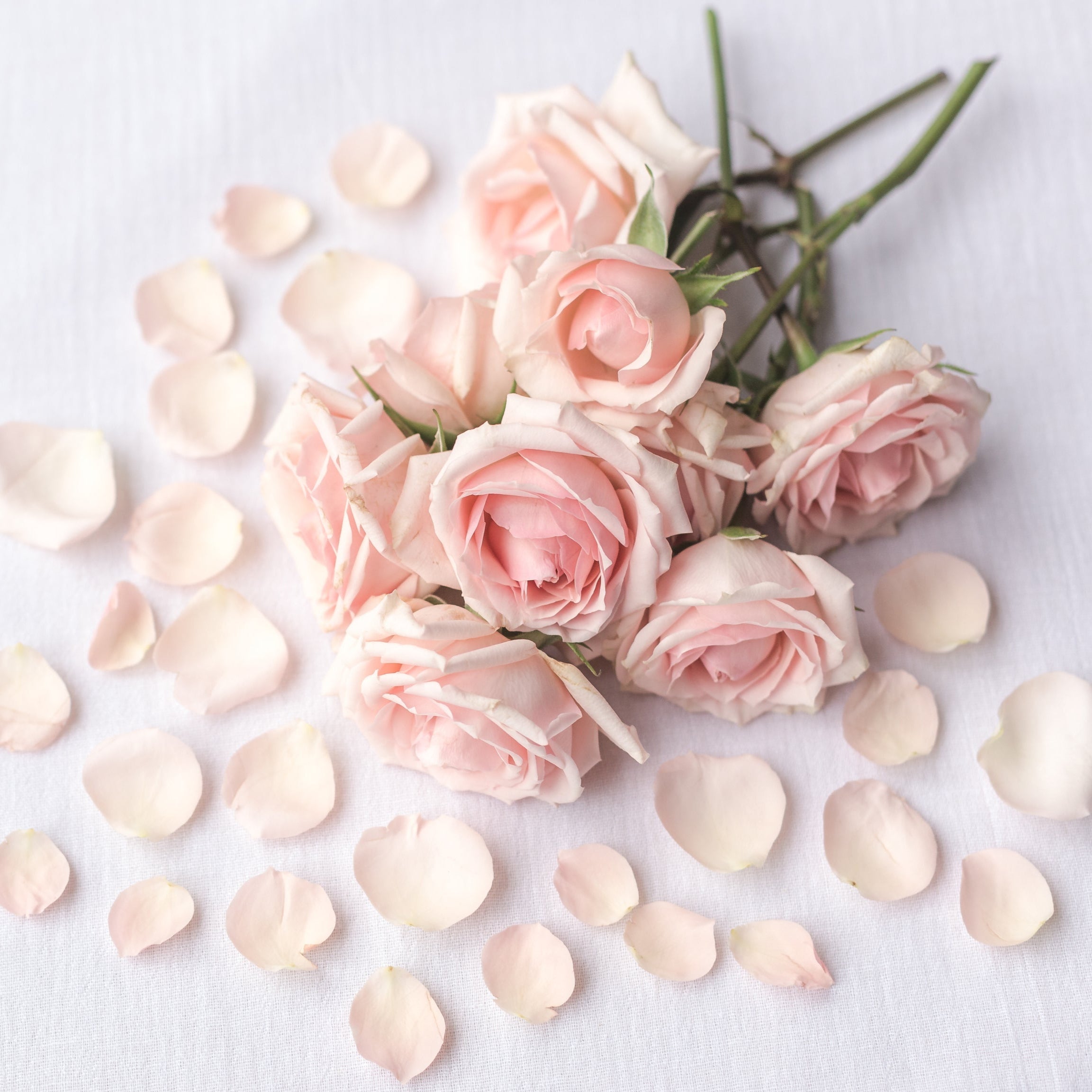
Hailing from the rose-growing heartlands of China, the Cream Su Rose is celebrated primarily as a cut rose, making it an ideal choice for those who appreciate long-lasting arrangements and captivating garden displays. Its allure lies in its magnificent, cup-shaped flowers, which boast a generous diameter of 10 cm. What truly sets it apart is its mesmerizing color palette: a soft apricot tone that gracefully transitions, with the outer petals gently flushed with pink. In cooler weather, this pink flush intensifies, adding another layer of visual interest to its already enchanting appearance.
Key Characteristics and Why You'll Love It:
- Enchanting Color Transition: The Cream Su Rose offers a dynamic visual experience, starting with soft apricot hues and developing delicate pink blushes, especially pronounced in cooler temperatures.
- Long-Lasting Blooms: Known for being "slow to open," its flowers unfurl gracefully and boast an excellent flowering duration, ensuring your enjoyment for an extended period, both on the bush and in a vase.
- Sturdy & Upright Growth: This rose develops upright and sturdy stems, making it perfect for cutting without the worry of drooping. At maturity, it reaches an impressive plant height of 100 cm, forming a commanding presence.
- Light Fragrance: While not overpowering, the Cream Su Rose offers a pleasing, light fragrance that adds to its overall appeal without being too intense for indoor arrangements.
- Robust Foundation: When you acquire a 2-year-old live plant with strong roots, you're starting with a well-established specimen ready to flourish in your garden.
- Leathery Foliage: Its medium-green, leathery foliage provides a beautiful backdrop, highlighting the exquisite blooms.
Whether gracing a bridal bouquet, enhancing a sophisticated centerpiece, or simply bringing joy to your home, the Cream Su Rose is a cultivar that combines visual splendor with practical advantages, making it a favorite among rose connoisseurs.
Detailed Growing and Care Guide for Cream Su Rose
Cultivating a Cream Su Rose to its full potential requires attention to detail, but the rewards are well worth the effort. Follow these guidelines to ensure your rose thrives and produces an abundance of its stunning apricot-pink blooms.
1. Site Selection and Soil Preparation
- Sunlight: Cream Su Roses, like most roses, demand ample sunlight. Choose a location that receives at least 6-8 hours of direct sun daily. Morning sun is particularly beneficial as it helps to dry dew from the leaves, reducing the risk of fungal diseases.
- Air Circulation: Good air movement around your rose is crucial. Avoid planting in overly congested areas, as proper air circulation helps prevent common issues like black spot, to which Cream Su Rose is prone.
- Soil: Prepare well-draining soil rich in organic matter. Roses prefer a slightly acidic to neutral pH (6.0-6.5). Amend heavy clay soils with compost, peat moss, or well-rotted manure to improve drainage and fertility. For sandy soils, organic matter will help retain moisture and nutrients.
2. Planting Your 2-Year-Old Cream Su Rose
A 2-year-old live plant with strong roots gives you a head start. Whether it arrives bare-root or potted, proper planting is key:
- Bare-Root: Soak the roots in water for a few hours before planting. Dig a hole wide enough to spread the roots naturally and deep enough so the graft union (the swollen knob where the rose was budded) is just above soil level in warmer climates or 2-3 inches below in colder regions.
- Potted Plant: Dig a hole twice as wide as the pot and just as deep. Gently remove the rose from its container, loosen any circling roots, and place it in the hole so the top of the root ball is level with the surrounding soil.
- Backfill and Water: Backfill the hole with your amended soil, gently firming it around the roots to remove air pockets. Water deeply immediately after planting to settle the soil.
3. Watering Regimen
- Consistency is Key: Roses need consistent moisture, especially during dry periods and their active growing season. Water deeply 2-3 times a week, ensuring the water penetrates the root zone. Avoid shallow, frequent watering, which encourages surface roots.
- Morning Watering: Water in the morning to allow foliage to dry before nightfall, again, minimizing fungal disease risk.
- Mulch: Apply a 2-3 inch layer of organic mulch (like wood chips, shredded bark, or compost) around the base of the plant. This helps retain soil moisture, regulate soil temperature, and suppress weeds. Keep mulch a few inches away from the rose's stem to prevent rot.
4. Fertilization for Vibrant Blooms
- Regular Feeding: Begin fertilizing your Cream Su Rose in early spring as new growth emerges. Use a balanced rose fertilizer (e.g., 5-10-5 or 10-10-10) or a specialized granular rose food. Follow package instructions carefully.
- Frequency: Fertilize every 4-6 weeks during the growing season (spring to late summer). Discontinue feeding about 6-8 weeks before your first expected frost to allow the plant to harden off for winter.
- Organic Options: Supplement with organic amendments like compost tea, fish emulsion, or well-rotted manure for a steady release of nutrients and improved soil health.
5. Pruning for Health and Blooms
Proper pruning is essential for the health, shape, and abundant flowering of your Cream Su Rose.
-
Annual Dormant Pruning (Late Winter/Early Spring):
- Remove any dead, damaged, or diseased canes.
- Cut back weak, spindly growth.
- Remove canes that cross or rub against each other to improve air circulation.
- Shape the plant by cutting canes back by about one-third, making cuts at a 45-degree angle just above an outward-facing bud.
- Deadheading (During Blooming Season): As flowers fade, 'deadhead' them by cutting the spent bloom off just above a set of five leaves. This encourages the plant to produce more flowers instead of putting energy into seed production.
- Pruning for Cut Flowers: When harvesting the beautiful 10 cm cup-shaped blooms, cut stems long, leaving at least two sets of leaves on the plant to encourage new growth. The upright and sturdy stems of the Cream Su Rose make this practice particularly rewarding.
6. Pest and Disease Management: A Critical Focus for Cream Su Rose
The Cream Su Rose, while stunning, has average disease resistance and is prone to black spot. Proactive and vigilant management is crucial.
-
Black Spot:
- Prevention: Ensure excellent air circulation. Water at the base of the plant, avoiding wetting the foliage. Clean up fallen infected leaves immediately.
- Treatment: If black spot appears (dark, circular spots with fringed margins on leaves, leading to yellowing and defoliation), remove affected leaves promptly. Apply a fungicide specifically formulated for black spot, following label instructions. Start treatment early in the season if black spot is a persistent issue in your area.
-
Other Pests: Watch for common rose pests like aphids, spider mites, and Japanese beetles.
- Aphids: Blast them off with a strong stream of water or use insecticidal soap.
- Spider Mites: Increase humidity and use insecticidal soap.
- Japanese Beetles: Hand-pick them in the early morning or use appropriate traps/sprays.
- Regular Inspection: Inspect your roses regularly for any signs of pests or diseases, allowing for early intervention.
7. Winter Protection (for colder climates)
If you live in a region with harsh winters, provide extra protection:
- Mounding: After the first hard frost, mound soil, compost, or shredded leaves around the base of the plant, covering the graft union by 6-12 inches.
- Protective Covers: Consider using rose cones or burlap wraps for added protection in very cold zones.
Common Mistakes and Troubleshooting for Cream Su Rose
Even experienced gardeners can encounter challenges. Knowing common pitfalls can help you avoid or quickly remedy issues with your Cream Su Rose.
-
Mistake 1: Insufficient Sunlight
- Problem: Weak growth, sparse flowering, elongated stems.
- Solution: Ensure your rose receives at least 6-8 hours of direct sunlight. If your current location is too shady, consider transplanting during the dormant season.
-
Mistake 2: Poor Air Circulation
- Problem: Increased susceptibility to fungal diseases, especially black spot.
- Solution: Space roses adequately, prune out crossing branches, and remove lower leaves if they are too dense.
-
Mistake 3: Inconsistent Watering
- Problem: Stress, stunted growth, premature leaf drop, poor flower development.
- Solution: Establish a regular, deep watering schedule. Use mulch to maintain soil moisture.
-
Mistake 4: Ignoring Early Signs of Black Spot
- Problem: Rapid spread of the disease, defoliation, weakened plant.
- Solution: Be vigilant! Remove infected leaves immediately. Apply preventative fungicides if black spot is a known issue in your garden or climate.
-
Mistake 5: Improper Fertilization
- Problem: Lack of blooms, yellowing leaves (nutrient deficiency), or burnt foliage (over-fertilization).
- Solution: Use a balanced rose fertilizer according to package directions. Avoid fertilizing in late fall.
Cream Su Rose: Comparison with Similar Varieties
While many roses offer stunning beauty, the Cream Su Rose carves its own niche, particularly for those seeking a unique apricot-pink cut flower. Let's compare it to a few other popular rose types you might consider:
Cream Su Rose vs. Popular Garden Roses (e.g., Hybrid Teas, Floribundas)
-
Cream Su Rose:
- Color & Form: Distinctive soft apricot with pink flush, intensifying in cool weather. Large (10cm), cup-shaped, slow-opening blooms with excellent vase life.
- Stems: Notably upright and sturdy, ideal for cutting.
- Fragrance: Light fragrance.
- Disease Resistance: Average, susceptible to black spot. Requires proactive management.
- Best Use: Primarily a cut rose, excellent for arrangements, garden focal point.
-
Typical Hybrid Teas (e.g., 'Peace' Rose):
- Color & Form: Often bi-color, high-centered, classic rose shape. Good for cutting but sometimes less vase life than specialized cut roses.
- Stems: Generally strong, but can vary by cultivar.
- Fragrance: Can range from strong to mild, depending on variety.
- Disease Resistance: Varies greatly by cultivar; some are highly resistant, others less so.
- Best Use: Garden specimen, cut flowers.
-
Typical Floribundas (e.g., 'Iceberg'):
- Color & Form: Clusters of smaller blooms. Excellent for mass planting and continuous garden color.
- Stems: Shorter, often not ideal for long-stemmed cuts.
- Fragrance: Often light or absent.
- Disease Resistance: Many modern Floribundas offer good disease resistance.
- Best Use: Landscape, mass plantings, hedges.
Cream Su Rose vs. Other Apricot/Pink Cut Roses (e.g., 'Juliet' Rose - David Austin, 'Distant Drums')
-
Cream Su Rose:
- Unique Color Shift: Its specific apricot to pink flush, especially pronounced in cooler weather, offers a distinct aesthetic not always found in other varieties.
- Slow Opening & Longevity: Excels in vase life due to its characteristic slow unfurling, making it a florist's dream.
- Sturdy Upright Stems: An advantage for consistently beautiful, straight cuts.
- Maintenance: Requires diligence against black spot, but its beauty often justifies the effort.
-
'Juliet' Rose (David Austin):
- Color: Highly sought-after deep apricot, often described as a "wedding rose."
- Form: Classic English rose, deeply cupped.
- Fragrance: Moderate, tea-rose scent.
- Availability: Often exclusive and higher priced.
- Comparison: While 'Juliet' is renowned for its consistent apricot, Cream Su offers a more dynamic, temperature-dependent color play with its pink flush.
-
'Distant Drums':
- Color: Multi-tonal blend of rusty orange, lavender, and pink – a very unique, 'muddy' pastel.
- Form: Cupped to ruffled petals.
- Fragrance: Strong, myrrh-like.
- Comparison: 'Distant Drums' is for those seeking unconventional color. Cream Su is more classically elegant with its softer, clearer apricot-pink tones.
Ultimately, the Cream Su Rose holds its own with a distinct charm and robust structure for cutting, making it a standout choice for anyone prioritizing an elegant, long-lasting, apricot-hued cut flower.
Frequently Asked Questions about Cream Su Rose
Q: How tall does the Cream Su Rose typically grow?
A: The Cream Su Rose is a vigorous grower, reaching a plant height of approximately 100 cm (about 3.3 feet) at maturity, with upright and sturdy stems.
Q: Does the Cream Su Rose have a strong fragrance?
A: No, the Cream Su Rose has a light, pleasant fragrance. It's not overpowering, making it suitable for indoor arrangements without dominating a space.
Q: Is Cream Su Rose suitable for growing in containers?
A: Given its mature height of 100 cm, the Cream Su Rose can be grown in large containers (at least 20-25 gallons) with proper care, watering, and fertilization. Ensure good drainage.
Q: How often does Cream Su Rose bloom?
A: Like many modern roses, the Cream Su Rose is a repeat bloomer. With proper deadheading and care, it will produce flushes of flowers from late spring through fall.
Q: What makes Cream Su Rose ideal as a cut flower?
A: Its excellent flowering duration, slow-to-open characteristic, large cup-shaped blooms (10 cm diameter), and notably upright, sturdy stems make it perfect for long-lasting floral arrangements.
Q: How do I manage black spot on my Cream Su Rose?
A: Proactive steps include ensuring good air circulation, watering at the base of the plant, and immediately removing any infected leaves. If black spot is prevalent, regular application of a targeted fungicide during humid periods or as a preventative measure may be necessary. Always clean up fallen leaves around the plant.
Q: Will the color of Cream Su Rose change?
A: Yes! The Cream Su Rose exhibits a beautiful color shift. Its soft apricot tones will develop a gentle pink flush on the outer petals, which becomes more pronounced and vibrant in cooler weather.
Elevate Your Garden & Arrangements with the Cream Su Rose
The Cream Su Rose is more than just a flower; it's an experience. Its enchanting apricot-pink hues, graceful slow opening, and impressive vase life make it a truly distinguished choice for discerning gardeners and florists alike. Imagine the elegance it will bring to your garden beds or the sophisticated touch it will add to your next floral creation. While it demands a little vigilance against black spot, the reward of its stunning, long-lasting blooms is immeasurable.
Ready to introduce this exquisite beauty to your collection? Give your garden the gift of enduring charm and captivating color. Discover the Cream Su Rose and bring its unique splendor home today.